

How To Avoid Contaminating Your Recycling
October 27, 2026 |
Contamination is one of the most common problems seen in household recycling. Contamination is when the wrong materials end up in a recycling container.
It happens at the curb and at drop-off sites. Recycling crews may reject contaminated recycling when they spot it. Other times, contaminated material goes straight to the landfill. Batteries and electronic devices in household recycling present fire hazards.
Approximately 15% of material collected in CVWMA residential recycling programs is landfilled. One of the biggest reasons is contamination.
Here are some tips to avoid contamination.
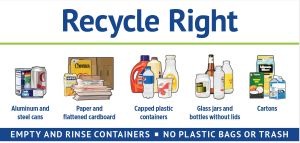
Always follow recycling guidelines.
Guidelines are posted on your cart’s lid or on drop-off containers. Remember: Every recycling program is different. What you recycle at home may diff from what you can recycle at work or at school.
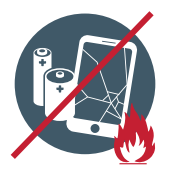
Never place batteries or electronics in household recycling.
Seek out take-back programs at retailers and electronics recycling events in your community.
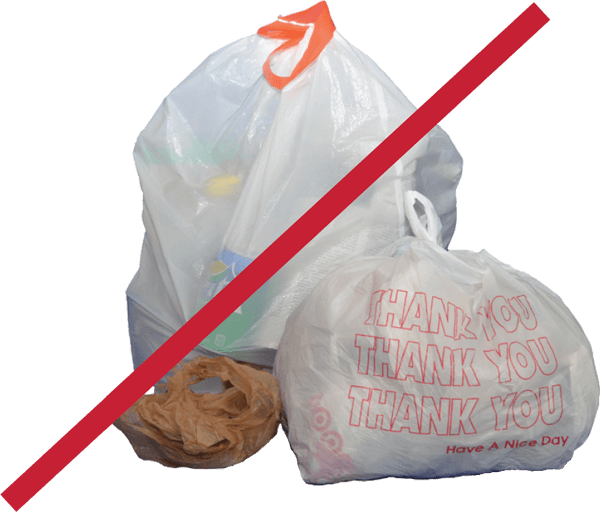
Never place plastic bags, plastic wrap or bubble wrap in your recycling.
This jams up the machinery used to sort your materials.

Always flatten cardboard boxes and place them in the recycling container.
A little tape is fine.
On an alley? Pull your cart behind your fence.
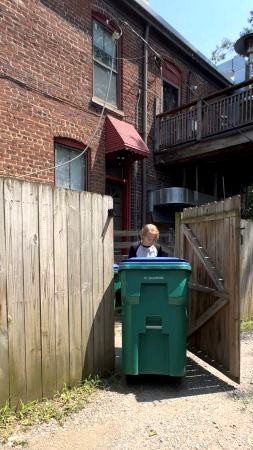
Recycling carts in alleys are more accessible to passersby, who may use them for trash cans. If you have a fence, it’s wise to roll your cart back behind your gate.
Category: News